Date Published:
Temperature is everything in food and drink production. A few degrees in the wrong direction and you are looking at compromised product quality, a failed hygiene inspection, or worse, a costly recall. When you are operating at scale, that kind of risk makes industrial refrigeration one of the most important systems on your site.
At IRS, we have been working with food, drink, and confectionery businesses across the UK since 1990. We know exactly what is at stake when refrigeration systems do not perform. In this guide, we look at the key roles industrial refrigeration plays in the sector, what good service actually looks like, and how the right setup can save you money over time.
Industrial refrigeration covers large-scale cooling systems designed to control temperature across manufacturing, processing, and storage environments. These are not your standard commercial units. Industrial systems are built to handle significant heat loads, run continuously, and meet strict regulatory standards.
In food and drink, they underpin almost every stage of the supply chain, from chilling raw ingredients when they arrive on site to keeping cold rooms and blast freezers at the right temperature around the clock. When they fall short, the consequences are real: spoiled stock, failed audits, and in serious cases, product liability issues.
For manufacturers, processors, distributors, and retailers alike, industrial refrigeration is not just a utility. It is a production-critical asset, and it deserves to be treated as one.
No two food and drink operations are identical, but most share a core set of refrigeration requirements. Here is where industrial systems are typically doing the heavy lifting.
A lot of food manufacturing processes generate heat, whether that is through cooking, pasteurisation, or fermentation. Process cooling brings product temperatures down quickly and accurately, reducing bacterial growth risk and protecting product quality at every stage of production.
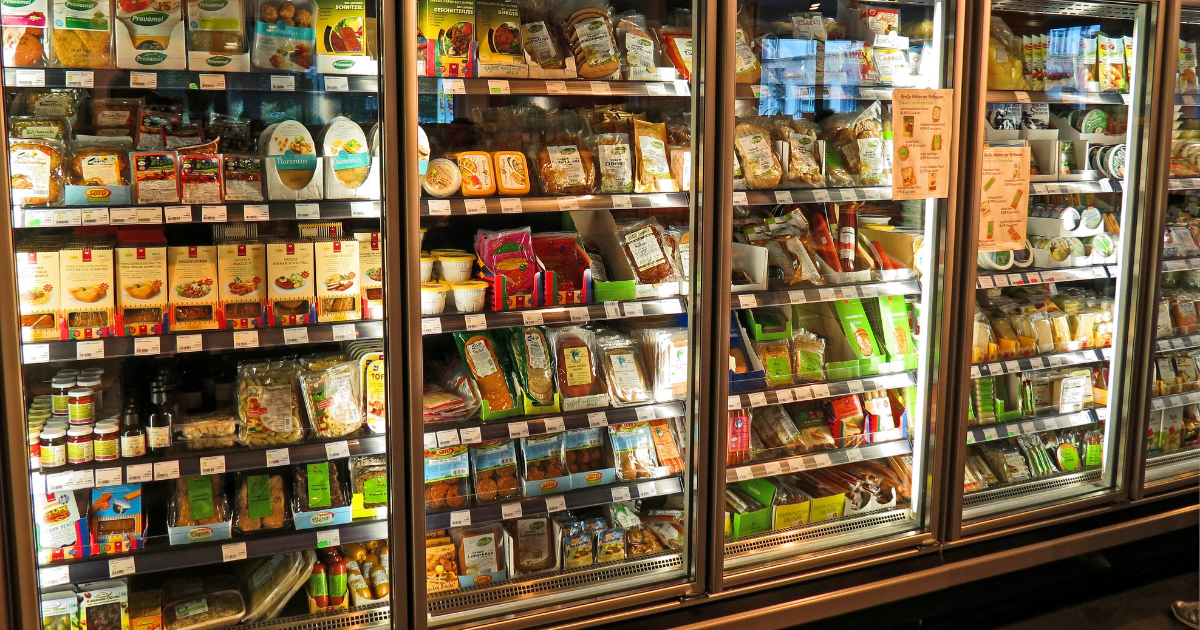
Holding consistent temperatures in chilled storage is fundamental to food safety. Industrial refrigeration systems for cold rooms need to maintain tight temperature bands even when conditions vary, such as during a busy goods-in period or a shift change when doors are going in and out constantly.
Blast freezers bring the core temperature of food products down rapidly, locking in quality and extending shelf life far more effectively than standard freezing. It is widely used across meat, fish, ready meals, and confectionery production, and the difference in product quality compared to slower freezing methods is significant.
For businesses moving large volumes of chilled or frozen goods, keeping temperature integrity across warehouse space is essential. Distribution environments come with their own challenges: loading bay activity, fluctuating ambient temperatures, and high throughput, all while keeping energy costs under control.
Food businesses in the UK operate under a range of regulations that directly affect how refrigeration systems need to perform and be maintained. The Food Safety Act 1990, alongside retained food hygiene legislation, sets clear requirements for temperature control throughout the food chain.
The Food Standards Agency recommends chilled food is stored at or below 8°C, with most high-risk products needing 5°C or lower. Freezers must hold at least minus 18°C. If you cannot demonstrate consistent compliance through documented temperature monitoring, you are leaving yourself exposed to enforcement action, prohibition notices, or serious reputational damage.
Businesses using fluorinated refrigerants also need to comply with UK F-Gas Regulations, which cover everything from leak checks and record-keeping to using certified engineers for installation and maintenance.
Our engineers at IRS are fully F-Gas certified and regularly support food businesses through audits and compliance requirements. We do not just keep your systems running; we help you prove they are running correctly.
A lot of food and drink businesses still run on a reactive model: something breaks, you call an engineer. In a sector where downtime can mean thousands of pounds of spoiled stock and missed production targets, that is a risky way to operate.
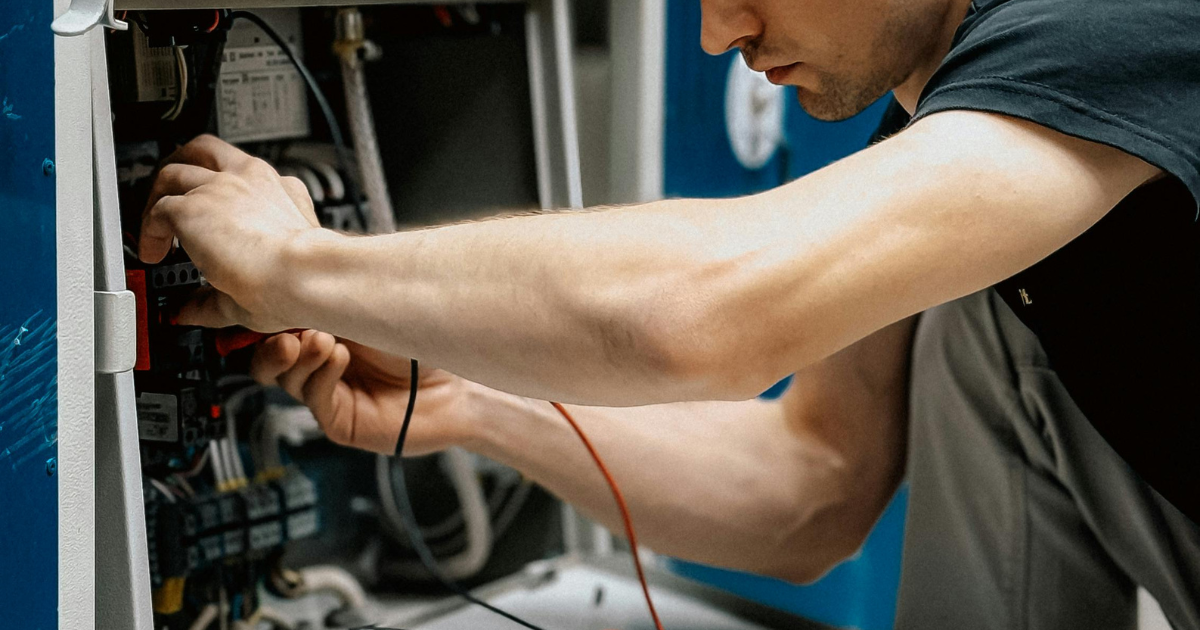
Planned preventative maintenance changes things considerably. Regular servicing picks up wear, refrigerant loss, and component deterioration before they turn into faults. Engineers can clean heat exchangers, check controls and safety devices, verify refrigerant charge, and review overall performance, without disrupting your operation.
If your current approach is essentially hoping nothing goes wrong, it is worth having a conversation about what a planned programme could look like for your site.
Refrigeration is typically one of the biggest energy consumers in any food and drink facility. For larger operations, it can account for a substantial chunk of the total electricity bill. With energy costs remaining a pressure for UK businesses, improving refrigeration efficiency has moved firmly up most agendas.
There are several practical ways we help clients in this sector reduce what they spend on refrigeration energy. System optimisation reviews identify where existing plant is working harder than it needs to, often because of deferred maintenance, refrigerant issues, or outdated controls. Remote monitoring lets our team track performance in real time and flag inefficiencies before they become a problem. And where older equipment is nearing the end of its useful life, we help clients evaluate modern replacements that deliver meaningfully better efficiency ratings, often with a solid return on investment through energy savings alone.
Reducing energy consumption is good for margins. It also supports sustainability targets and, increasingly, the expectations of retailers and food service customers who want to understand the environmental footprint of their supply chains.
Not every refrigeration contractor has the experience or accreditation to work in a food production environment. When you are weighing up providers, a few things are worth paying close attention to.
F-Gas certification matters and is non-negotiable for anyone working on systems with fluorinated refrigerants. Sector experience matters just as much. A contractor who genuinely understands food manufacturing, including shift patterns, hygiene requirements, and audit pressures, will operate very differently from one who does not.
Look for a provider who can cover the full picture: system design, installation, planned maintenance, and emergency breakdown cover. Having one team who knows your site and your equipment is far more efficient than juggling multiple contractors with no shared context.
IRS has supported food, drink, and confectionery businesses including Premier Foods, Essentia Protein Solutions, and Cadbury World over many years. Our client portal gives food businesses direct access to service records, asset information, and compliance documentation, so when an auditor asks questions, the answers are easy to find.
Whether you are reviewing ageing refrigeration plant, planning a new installation, or simply looking for a maintenance partner you can actually rely on, we would be happy to help. We have worked across the food and drink sector for over 30 years, and we understand the pressures your operation faces day to day.
Contact us today, and we will talk through what you need. No obligation, just straightforward advice from engineers who know this sector inside out.

IRS Ltd (Industrial Refrigeration Services Limited), was founded in 1990 built on a reputation of quality services and cost saving solutions. We are experts in energy management, embracing all aspects of industrial and commercial users of refrigeration, air conditioning and heat exchange systems.
About Us